Recipe: Beans, aromatics add texture and depth of flavor

A melange of fresh veggies plus canned white beans make a delicious meatless summer stew. Kathy Morrison
Stew isn't only for winter meals.
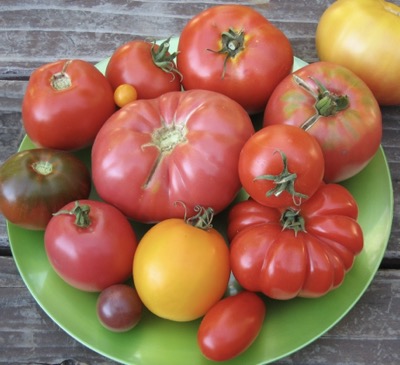
A meatless stew, featuring roasted cherry tomatoes, is just the ticket for summertime. The white beans give the stew heft, and the onion, garlic and fresh herbs provide the flavor base. (Note: I typically cook with low-sodium cannellini beans, but use your favorite type.)
Note: I adapted this freely from a New York Times recipe, which for one thing didn't have nearly enough tomatoes in it. Consider it Sacramento'd.
This stew is delicious right after cooking, but like other stews, it gains flavor from sitting in the fridge overnight. Gently warm it up on the stove before garnishing and serving. Accompanied by sliced ciabatta or other favorite artisan bread plus a chilled white wine, it's an excellent late summer meal.
Roasted cherry tomato stew
Serves 4 to 6
Ingredients:

2 pounds (7 to 8 cups) cherry tomatoes (any size; larger ones can be halved)
5 tablespoons olive oil, divided, plus more for drizzling
1 tablespoon fresh thyme leaves or chopped fresh oregano leaves, or a combination
Salt and freshly ground black pepper
1 medium yellow onion, chopped
3 to 5 cloves garlic, thinly sliced or minced
1/2 teaspoon red pepper flakes
Two 15-ounce cans white beans, such as cannellini or Great Northern (don't drain -- see instructions)
2 tablespoons white wine
1 tablespoon tomato paste
1/2 cup or more vegetable or chicken broth
2 to 3 cups chopped greens, such as baby spinach or chard leaves, optional
For garnish (optional):
1/2 cup chopped fresh parsley
Zest from 1 large lemon
Instructions:

Heat oven to 425 degrees. Place the tomatoes in a roasting pan, pour 3 tablespoons olive oil over them, then sprinkle in the thyme and/or oregano. Add salt and freshly ground pepper, and gently toss the tomatoes so that they are well-covered in the oil.
Roast the tomatoes until they collapse and start to brown around the edges, 20 to 25 minutes.
Meanwhile, in a Dutch oven or deep skillet, heat 2 tablespoons oil over medium heat. Add the chopped onion and a pinch of salt, and sauté for a few minutes until the onion starts to soften. Add the garlic and the red pepper flakes, and cook, stirring, another 5 minutes.
Stir in one can of beans, including the liquid in the can. With the second can, drain off about half the liquid, but then add the rest along with the beans to the onion mixture as well. Gently mash about a fourth of the beans against the side of the pot to help thicken the broth. Stir in the white wine and tomato paste.
The roasted tomatoes, along with any accumulated juices, now can be added to the mixture on the stove. Stir well. If the stew seems thick, add enough vegetable or chicken broth to thin it. Taste, and adjust the seasoning with salt and pepper.
If using the chopped greens, now is the time to stir them in. (Note: If the stew is going to be refrigerated for awhile, wait to add the greens until it is reheated.)
Continue to simmer until the greens wilt and the flavors blend.
If desired, for garnish, in a small bowl stir together the chopped parsley and lemon zest.
Serve stew in shallow bowls, garnishing with the parsley-zest blend and a drizzle of olive oil.
Comments
0 comments have been posted.Sacramento Digs Gardening to your inbox.
Flowers in My Back Yard Series
Oct. 20: Planted now, daffodils will bring spring smiles
Oct. 13: Our state flower is oh-so-easy to grow (California poppy)
Oct. 9: Give roses some TLC for great fall bloom
Oct. 6: Hummingbirds love California fuchsia
Sept. 29: Pineapple sage is a fall bright spot
Sepr. 22: Ginger can flourish in Sacramento
Sept. 15: Plant seeds soon for fragrant spring blooms (sweet peas)
Sept. 8: A must for fall gardens, asters are little powerhouses
Sept. 1: Yarrow an easy-care, sturdy flowering plant
Aug. 25: Crape myrtles, Sacramento's unofficial tree of summer
Aug. 18: Pollinators adore scabiosa, aka pincushion flower
Aug. 11: Hardy hibiscus adds big tropical impact
Aug. 4: Dianthus a deceptively hardy flower
July 28: Naked Ladies put on summer show
July 21: Thank Luther Burbank for these long-lasting beauties (Shasta daisies)
July 14: How to keep hydrangeas happy
July 7: Grow these bright cosmos for bees and butterflies
June 30: Agapanthus adds blue fireworks to the garden
June 23: Easy-care gazanias fill those hot corners
June 16: Daylilies are perfect for water-wise gardens (and a lot more)
June 9: Grow coneflowers for pollinators -- and yourself
June 2: Sunflowers capture Sacramento's summer attitude
May 29: Are your roses going 'blind'?
May 26: Zinnias are the summer flowers every garden needs
May 19: Plant dahlias now for late-summer flower power
May 12: Know your coreopsis from your bidens
May 5: Mums the word on Mother's Day weekend
April 28: Majestic Matilija poppy is worth a look
April 21: Celebrate roses, America's favorite flower
April 14: Small flowers with outsized impact
April 7: Calendulas do double duty
April 3: Make Easter lilies last for years to come
March 31: In praise of a pollinator magnet (small-leaf salvias)
March 24: Azaleas brighten shady spots
March 17: The perfect flower for beginners? Try zonal geraniums
March 10: Keep camellias happy for years to come
March 3: Fruit tree blossoms are a fleeting joy
Feb. 27: Are your roses looking rusty?
Feb. 24: Treasure spring daffodils now and for years to come
Feb. 17: How and why to grow wildflowers
Feb. 10: Let's talk Valentine's Day roses
Feb. 3: Why grow flowers?
Local News

Sites We Like
Garden checklist for week of Oct. 25
Before it gets any colder, swing into action and plant for fall – and spring, too.
* October is the best month to plant trees, shrubs and perennials. Make the most of perfect fall weather and damp soil. (It’s easier to dig.)
* Divide and replant perennials. Add a little well-aged compost and bone meal to the planting hole, but hold off on other fertilizers until spring. Keep the transplants well-watered (but not wet) for the first month as they become settled.
* Start setting out spring-blooming bulbs such as daffodils. To stagger bloom, plant more bulbs every two to three weeks now through early December.
* Now is the time to plant seeds for many flowers directly into the garden, including cornflower, nasturtium, nigella, poppy, portulaca, sweet pea and stock.
* Plant seeds for radishes, bok choy, mustard, spinach and peas.
* Plant garlic and onions.
\* Set out cool-weather bedding plants, including calendula, pansy, snapdragon, primrose and viola.
* Reseed and feed the lawn. Work on bare spots.
* Dig up corms and tubers of gladioli, dahlias and tuberous begonias after the foliage dies. Clean and store in a cool, dry place.
* Treat azaleas, gardenias and camellias with chelated iron if leaves are yellowing between the veins.
* Clean up the summer vegetable garden and compost disease-free foliage.
* Harvest pumpkins and winter squash.
Contact Us
Send us a gardening question, a post suggestion or information about an upcoming event. sacdigsgardening@gmail.com
Food in My Back Yard (FIMBY) Series
Lessons learned during a year of edible gardening
WINTER
Is edible gardening possible indoors?
Hints for choosing tomato seeds
Why winter is the perfect time to plant fruit trees
When to plant? Consider staggering your transplants
How to squeeze more food into less space
Plant a fruit tree now -- for later
Win the weed war by tackling them in winter
Tips for planting bare-root trees, shrubs and vegetables
Time to give vegetable seedlings some more space
Ways to win the fight against weeds
FALL
Add asparagus to your edible garden
Soggy soil and what to do about it
Plant artichokes now; enjoy for years to come
It's late November, and your peach tree needs spraying
What to do with all those fallen leaves?
Prepare now for colder weather in the edible garden
Plant a pea patch for you and your garden
As citrus season begins, advice for backyard growers
We don't talk (enough) about beets
Seeds or transplants for cool-season veggies?
How to prolong the fall tomato harvest
SUMMER
How to get the most out of your pumpkin patch
Summer-to-fall transition time for evaluation, planning
To pick or not to pick those tomatoes?
Enhance your food with edible flowers
Why won't my tomatoes turn red?
A squash plant has mosaic virus, and it's not pretty
Tear out that sad plant or baby it? Midsummer decisions
How to grow summer salad greens
Weird stuff that's perfectly normal
SPRING
Help pollinators help your garden
Battling early-season tomato pests
Where are the bees when you need them?
How to help tomatoes thrive on hot days
Your plants can tell you more than any calendar can
Maintain soil moisture with mulch for garden success
What's (already) wrong with my tomato plants?
Should you stock up on fertilizer? (Yes!)
Grow culinary herbs in containers
When to plant summer vegetables
Don't be fooled by these garden myths
Fertilizer tips: How to 'feed' your vegetables for healthy growth

 Powered by California Local