Seed catalogs offer infinite varieties, but most gardens have only so much room

So many tomatoes! This shows just two pages from the Tomato Growers Supply Co. 2026 print catalog: 27 varieties. How to choose? Kathy Morrison
This is another installment in our Food in My Back Yard series, devoted to edible gardening.
Ah, January, time to order seeds for the 2026 tomato garden. I always wait until the new year to crack open catalogs or dive into websites -- no sense getting tomato dreams mixed up with thoughts of eggnog and fir trees.
I often start with the printed catalog of Tomato Growers Supply Co., just to revel in the color photos and the descriptions. The 2026 version is as fun as ever, though even more stuffed than in the past. TGSC always has carried peppers and eggplant seeds along with tomatoes, but now the back pages include herbs, radishes, even spinach -- not what you think of for summer gardens.
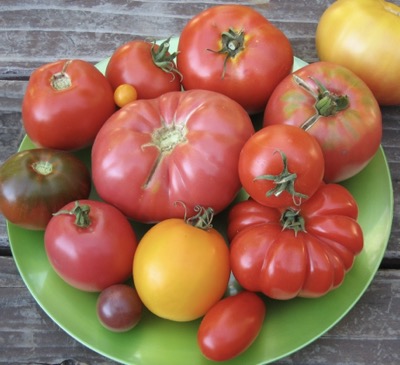
The color pages of tomatoes are still organized by season (the non-cherry reds), types (small-fruited, oxhearts, etc) or colors (yellow, green, orange, black, bicolor). But puzzlingly, they are no longer in alphabetical order within those categories: Sugar Baby is followed by Oregon Spring V is followed by Clear Pink Early, for example.
I guess the website is the better place to browse after all.
But we're here today to discuss HOW to choose tomato seeds, in addition to suggestions of where -- and even why.
The "why" might be the easiest: Growing tomato plants from seed can be astonishingly rewarding, especially when they are varieties that the nurseries don't carry as transplants.
If you're venturing into tomato-seed starting for the first time, here are some things to consider for the "how" portion:
-- Realistic amount of space for tomato plants. If you tried two or three plants in containers last year, and want to do that again, great. Avoid any tomatoes described as "vigorous." A vigorous tomato, such as Juliet, needs mucho space (including for roots) and a sturdy cage. Most beefsteaks need a lot of ground, too. Look for tomatoes that include "dwarf" or "bush" in the title. My favorite: Better Bush Hybrid for a salad-size tomato, with Patio another good one.
Also, growing tomatoes in the same spot two years in a row is not recommended, because of the potential for disease and return of pests that were present last summer. If moving the tomato bed is not possible, it's important to give that soil plenty of fresh nutrients, at least a month before planting. It's even more important to look for disease-resistant tomato varieties: those with V, F and especially N notations after the variety name. Those refer to Verticillium wilt, Fusarium wilt (both fungal diseases) and Nematodes. That last one is a microscopic worm that hangs out in the soil; root-knot nematodes feed on roots and will destroy a tomato plant.
-- Your growing season. We all have to deal with extreme bursts of Sacramento heat, but what I'm talking about here is availability of time. Can you get tomatoes in the ground in March, or have to wait until May? Going on vacation in late summer? Lots of family activity in July? These will affect how much garden time you can spend on tending, watering, patrolling for pests and harvesting any summer vegetables, including tomatoes.
Tomatoes well-established in the ground will take less immediate care over summer than container plants. Determinate varieties will produce most of their crop at the same time, then screech to a stop -- a scenario perfect for anyone planning a big canning session or an extended trip in August.
On the other hand, indeterminates often can (with help and some shade cloth) weather a tough summer and come back stronger in the fall. I've had cherry tomatoes and even salad-size black tomatoes do this.
In addition to determinate vs. indeterminate, check whether the variety is considered early, mid- or late season. The "days to maturity" should be listed. Anything past 80 days is going to require much patience -- and some cooperation from the weather.
-- Experiments are OK, but include a few reliable varieties. Otherwise risk a load of disappointment this summer. I don't choose as many unknown varieties any more. I've been growing tomatoes for more than 30 years, and that's a lot of learning from experience. I now skip late-season heirlooms altogether. That long wait for a few fruits, the split skins, the spider mites -- who needs that level of tragedy every year?
I still like to try a new variety or two, but now have a strong list of Sacramento-area reliables. They are:
Full-size: Big Beef (my star last year), Chef's Choice Orange, Lemon Boy, First Prize, Cherokee Carbon, AAA Sweet Solano. These are all indeterminate hybrids, which should tell you something. And any variety with "Girl" or "Boy" in the title will be decent.
Cherry and grape tomatoes: Juliet, Sun Sugar. Still looking for the ideal red cherry, but there are many acceptable ones.
Paste/sauce: Rugby, Big Mama, Yaqui (latter is determinate).
Where to order tomato seeds
When I was new to tomato seed starting, I'd order four to seven seed packets per company, from Burpee Seeds, Totally Tomatoes, Territorial Seed, Nichols Garden Nursery, and Seeds of Change, in addition to Tomato Growers. Later I discovered the overwhelming collection of all vegetables at Baker Creek Heirloom Seeds. Online access has added Peaceful Valley, TomatoFest, Eden Brothers, Botanical Interests, Renee's Garden and Wild Boar Farms to my shopping list -- a browsing list, really.
Renee's, Botanical Interests and Ferry-Morse seeds also are sold at local nurseries, hardware and big box stores, along with Burpee, of course.
Note: Some of the seed companies aren't clued into California planting dates and ship the packages when they get to it -- which might be too late for us. (I start seeds in late January to mid February.) If I get a late shipment, I hang onto the seeds for next year and try to remember not to order from that company again. The West Coast companies are better at shipping quickly. Wild Boar Farms (headquartered in Citrus Heights), Renee's and Peaceful Valley are the closest to us.
Some words on words
Be aware of the code words buried in the descriptions of the seed varieties. Again, "vigorous" means you'd better give it plenty of room and your sturdiest cage. "Flavor worth waiting for" means it might, just might, produce a crop before fall. Any variety that promises "prolific" or "a profusion of tiny tomatoes" will wear you out with picking.
Others to watch for:
- "Sometimes their shape is a little rough." You won't be able to get a good slice from it.
-- "Early season, cold tolerant." It'll likely die early, too, if grown in the Sacramento flatlands.
-- "Intriguing flavor." After tasting the first one you won't know what to do with it.
Have fun, and do tell us which seed varieties are on your list this year!
Comments
0 comments have been posted.Sacramento Digs Gardening to your inbox.
Flowers in My Back Yard Series
Oct. 20: Planted now, daffodils will bring spring smiles
Oct. 13: Our state flower is oh-so-easy to grow (California poppy)
Oct. 9: Give roses some TLC for great fall bloom
Oct. 6: Hummingbirds love California fuchsia
Sept. 29: Pineapple sage is a fall bright spot
Sepr. 22: Ginger can flourish in Sacramento
Sept. 15: Plant seeds soon for fragrant spring blooms (sweet peas)
Sept. 8: A must for fall gardens, asters are little powerhouses
Sept. 1: Yarrow an easy-care, sturdy flowering plant
Aug. 25: Crape myrtles, Sacramento's unofficial tree of summer
Aug. 18: Pollinators adore scabiosa, aka pincushion flower
Aug. 11: Hardy hibiscus adds big tropical impact
Aug. 4: Dianthus a deceptively hardy flower
July 28: Naked Ladies put on summer show
July 21: Thank Luther Burbank for these long-lasting beauties (Shasta daisies)
July 14: How to keep hydrangeas happy
July 7: Grow these bright cosmos for bees and butterflies
June 30: Agapanthus adds blue fireworks to the garden
June 23: Easy-care gazanias fill those hot corners
June 16: Daylilies are perfect for water-wise gardens (and a lot more)
June 9: Grow coneflowers for pollinators -- and yourself
June 2: Sunflowers capture Sacramento's summer attitude
May 29: Are your roses going 'blind'?
May 26: Zinnias are the summer flowers every garden needs
May 19: Plant dahlias now for late-summer flower power
May 12: Know your coreopsis from your bidens
May 5: Mums the word on Mother's Day weekend
April 28: Majestic Matilija poppy is worth a look
April 21: Celebrate roses, America's favorite flower
April 14: Small flowers with outsized impact
April 7: Calendulas do double duty
April 3: Make Easter lilies last for years to come
March 31: In praise of a pollinator magnet (small-leaf salvias)
March 24: Azaleas brighten shady spots
March 17: The perfect flower for beginners? Try zonal geraniums
March 10: Keep camellias happy for years to come
March 3: Fruit tree blossoms are a fleeting joy
Feb. 27: Are your roses looking rusty?
Feb. 24: Treasure spring daffodils now and for years to come
Feb. 17: How and why to grow wildflowers
Feb. 10: Let's talk Valentine's Day roses
Feb. 3: Why grow flowers?
Local News

Sites We Like
Garden checklist for week of Oct. 25
Before it gets any colder, swing into action and plant for fall – and spring, too.
* October is the best month to plant trees, shrubs and perennials. Make the most of perfect fall weather and damp soil. (It’s easier to dig.)
* Divide and replant perennials. Add a little well-aged compost and bone meal to the planting hole, but hold off on other fertilizers until spring. Keep the transplants well-watered (but not wet) for the first month as they become settled.
* Start setting out spring-blooming bulbs such as daffodils. To stagger bloom, plant more bulbs every two to three weeks now through early December.
* Now is the time to plant seeds for many flowers directly into the garden, including cornflower, nasturtium, nigella, poppy, portulaca, sweet pea and stock.
* Plant seeds for radishes, bok choy, mustard, spinach and peas.
* Plant garlic and onions.
\* Set out cool-weather bedding plants, including calendula, pansy, snapdragon, primrose and viola.
* Reseed and feed the lawn. Work on bare spots.
* Dig up corms and tubers of gladioli, dahlias and tuberous begonias after the foliage dies. Clean and store in a cool, dry place.
* Treat azaleas, gardenias and camellias with chelated iron if leaves are yellowing between the veins.
* Clean up the summer vegetable garden and compost disease-free foliage.
* Harvest pumpkins and winter squash.
Contact Us
Send us a gardening question, a post suggestion or information about an upcoming event. sacdigsgardening@gmail.com
Food in My Back Yard (FIMBY) Series
Lessons learned during a year of edible gardening
WINTER
Is edible gardening possible indoors?
Hints for choosing tomato seeds
Why winter is the perfect time to plant fruit trees
When to plant? Consider staggering your transplants
How to squeeze more food into less space
Plant a fruit tree now -- for later
Win the weed war by tackling them in winter
Tips for planting bare-root trees, shrubs and vegetables
Time to give vegetable seedlings some more space
Ways to win the fight against weeds
FALL
Add asparagus to your edible garden
Soggy soil and what to do about it
Plant artichokes now; enjoy for years to come
It's late November, and your peach tree needs spraying
What to do with all those fallen leaves?
Prepare now for colder weather in the edible garden
Plant a pea patch for you and your garden
As citrus season begins, advice for backyard growers
We don't talk (enough) about beets
Seeds or transplants for cool-season veggies?
How to prolong the fall tomato harvest
SUMMER
How to get the most out of your pumpkin patch
Summer-to-fall transition time for evaluation, planning
To pick or not to pick those tomatoes?
Enhance your food with edible flowers
Why won't my tomatoes turn red?
A squash plant has mosaic virus, and it's not pretty
Tear out that sad plant or baby it? Midsummer decisions
How to grow summer salad greens
Weird stuff that's perfectly normal
SPRING
Help pollinators help your garden
Battling early-season tomato pests
Where are the bees when you need them?
How to help tomatoes thrive on hot days
Your plants can tell you more than any calendar can
Maintain soil moisture with mulch for garden success
What's (already) wrong with my tomato plants?
Should you stock up on fertilizer? (Yes!)
Grow culinary herbs in containers
When to plant summer vegetables
Don't be fooled by these garden myths
Fertilizer tips: How to 'feed' your vegetables for healthy growth

 Powered by California Local