New! Cherry cornmeal torte can be adapted to other fruit
Warmer days ahead as summer ends on a hot streak.
Charity dinner raises funds to support women in food and farm connection to schools
Several master gardener mini talks are scheduled throughout the morning
The Secret Garden hosts annual Butterfly Fest over two weekends
Tips for producing perfect pumpkins for fall fun (and pies)
Delta Gesneriad and African Violet Society offers huge selection of flowering houseplants
New! Savory galette has a creamy cheese base
Change in weather pattern brings breezy almost-fall days
El Dorado County master gardeners host free workshop at Sherwood Demonstration Gardeners
California Native Plant Society chapters kick off the season
Wild weather and wildfire hit NorCal; what gardeners should know
Give your garden a realistic assessment before fall kicks in
Sacramento club hosts annual begonia show and sale
New! Soft fig cookies with fresh fig filling
Labor Day weekend heat wave says goodbye to summer garden
How to help trees thrive for decades to come
New UC IPM webinar series looks at the pests that threaten our trees, wildlands and waterways
Yolo County master gardeners tell 'Everything You Need To Know About Fruit Trees'
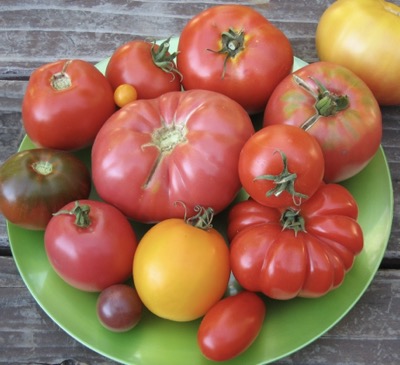
Heat spikes can play havoc with ripening tomatoes
Sacramento Digs Gardening to your inbox.
Flowers in My Back Yard Series
March 31: In praise of a polinator magnet (small-leaf salvias)
March 24: Azaleas brighten shady spots
March 17: The perfect flower for beginners? Try zonal geraniums
March 10: Keep camellias happy for years to come
March 3: Fruit tree blossoms are a fleeting joy
Feb. 27: Are your roses looking rusty?
Feb. 24: Treasure spring daffodils now and for years to come
Feb. 17: How and why to grow wildflowers
Feb. 10: Let's talk Valentine's Day roses
Feb. 3: Why grow flowers?
Local News

Sites We Like
Garden checklist for week of March 29
Make the most of this pleasant weather. Your garden is calling. (And those weeds won’t be ignored.)
* Get ready to swing into action in the vegetable garden. As nights consistently warm up over 50 degrees, start setting out tomato, pepper and eggplant transplants.
* From seed, plant beets, carrots, endrive, fennel, jicama, radishes, turnips and squash.
* Plant onion sets.
* In the flower garden, plant seeds for asters, celosia, cosmos, cornflowers, marigolds, salvia, verbena and zinnias.
* Transplant petunias, zinnias, geraniums and other summer bloomers.
* Plant perennials and dahlia tubers for summer bloom. Late April is about the last chance to plant summer bulbs, such as gladiolus and tuberous begonias.
* Transplant heat-resistant lettuce seedlings.
* April is the last chance to plant citrus trees such as dwarf orange, lemon and kumquat. These trees also look good in landscaping and provide fresh fruit in winter.
* Smell orange blossoms? Feed citrus trees with a low dose of balanced fertilizer (such as 10-10-10) during bloom to help set fruit. Keep an eye out for ants.
* Apply slow-release fertilizer to the lawn.
* Thoroughly clean debris from the bottom of outdoor ponds or fountains.
* Trim dead flowers but not leaves from spring-flowering bulbs such as daffodils and tulips. Those leaves gather energy to create next year's flowers. Also, give the bulbs a fertilizer boost after bloom.
* Mulch around plants to conserve moisture and control weeds.
Contact Us
Send us a gardening question, a post suggestion or information about an upcoming event. sacdigsgardening@gmail.com
Food in My Back Yard (FIMBY) Series
Lessons learned during a year of edible gardening
WINTER
Is edible gardening possible indoors?
Hints for choosing tomato seeds
Why winter is the perfect time to plant fruit trees
When to plant? Consider staggering your transplants
How to squeeze more food into less space
Plant a fruit tree now -- for later
Win the weed war by tackling them in winter
Tips for planting bare-root trees, shrubs and vegetables
Time to give vegetable seedlings some more space
Ways to win the fight against weeds
FALL
Dec. 16: Add asparagus to your edible garden
Dec. 9: Soggy soil and what to do about it
Dec. 2: Plant artichokes now; enjoy for years to come
Nov. 25: It's late November, and your peach tree needs spraying
Nov. 18: What to do with all those fallen leaves?
Nov. 11: Prepare now for colder weather in the edible garden
Nov. 4: Plant a pea patch for you and your garden
Oct. 27: As citrus season begins, advice for backyard growers
Oct. 20: Change is in the autumn air
Oct. 13: We don't talk (enough) about beets
Oct. 6: Fava beans do double duty
Sept. 30: Seeds or transplants for cool-season veggies?
Sept. 23: How to prolong the fall tomato harvest
SUMMER
Sept. 16: Time to shut it down?
Sept. 9: How to get the most out of your pumpkin patch
Sept. 2: Summer-to-fall transition time for evaluation, planning
Aug. 26: To pick or not to pick those tomatoes?
Aug. 19: Put worms to work for you
Aug. 12: Grow food while saving water
Aug. 5: Enhance your food with edible flowers
July 29: Why won't my tomatoes turn red?
July 22: A squash plant has mosaic virus, and it's not pretty
July 15: Does this plant need water?
July 8: Tear out that sad plant or baby it? Midsummer decisions
July 1: How to grow summer salad greens
June 24: Weird stuff that's perfectly normal
SPRING
June 17: Help pollinators help your garden
June 10: Battling early-season tomato pests
June 3: Make your own compost
May 27: Where are the bees when you need them?
May 20: How to help tomatoes thrive on hot days
May 13: Your plants can tell you more than any calendar can
May 6: Maintain soil moisture with mulch for garden success
April 29: What's (already) wrong with my tomato plants?
April 22: Should you stock up on fertilizer? (Yes!)
April 15: Grow culinary herbs in containers
April 8: When to plant summer vegetables
April 1: Don't be fooled by these garden myths
March 25: Fertilizer tips: How to 'feed' your vegetables for healthy growth

 Powered by California Local