Recipe: Fresh raspberry fool with a rosy twist

This cool and pretty dessert is called a "fool" but the ease of making it is no joke. Debbie Arrington
A “fool” is one of the first desserts I learned to make, taught to me by my grandmother. It didn’t involve turning on the stove, so it was a good introduction. (And I got to use the mixer!) Plus I loved the name.
Fruit fools are sort of foody puns; the idea is to create something that looked “special enough for company,” but that could be put together quickly with ingredients on hand.
What better dessert for Father’s Day than a foody pun that kids can make?
I still use my grandmother’s parfait glasses, but this layered dessert works in mason jars or juice glasses, too – anything see-through so the colorful layers can be appreciated.
Rose syrup adds a subtle, fragrant note and its light pink color complements the raspberries. Grenadine and simple syrup work just as well as do fruit-flavored syrups.
Remember to gently fold the fruit into the whipped cream to maintain the stripes of pink, red and white.
Fresh raspberry fool
Makes 4 servings
Ingredients:
1 cup fresh raspberries
3 tablespoons rose syrup (see note)
1 cup heavy whipping cream
¼ cup sugar
1 teaspoon vanilla extract
1 sugar cookie or similar, crumbled
Instructions:
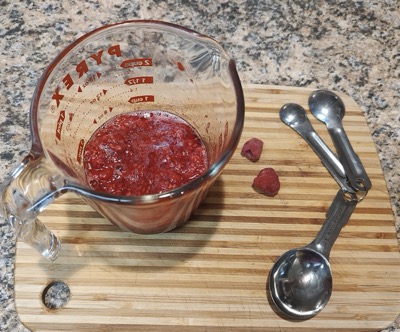
Rinse berries; save out a few berries for garnish. In a bowl or large measuring cup, combine berries with rose syrup. (See note.) Set aside.
In a mixing bowl (with a hand mixer on medium speed) or a food processor, combine whipping cream, sugar and vanilla; whip until soft peaks form (only 1 or 2 minutes).
Transfer whipped cream to a medium bowl.
With a fork, mash the raspberries. Gently fold half of the raspberry mixture into the whipped cream. Only stir once or twice.
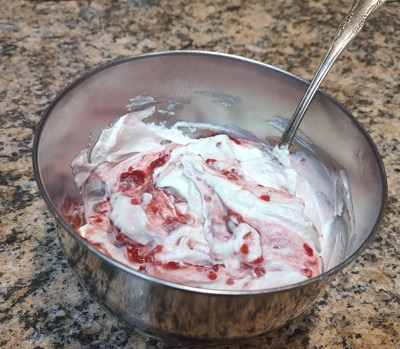
In a parfait glass or similar, scoop 1 tablespoon of the fruit puree. Top with 2 tablespoons of the whipped cream mixture. Then, top with another tablespoon of fruit puree and 2 more tablespoons of the whipped cream mixture.
Top with cookie crumbs and raspberry garnish. Serve cold.
(Dessert may be assembled in advance and refrigerated.)
Note: Grenadine, other fruit syrup or simple syrup may be substituted for rose syrup.
Comments
0 comments have been posted.Sacramento Digs Gardening to your inbox.
Food in My Back Yard (FIMBY) Series
FALL
Dec. 9: Soggy soil and what to do about it
Dec. 2: Plant artichokes now; enjoy for years to come
Nov. 25: It's late November, and your peach tree needs spraying
Nov. 18: What to do with all those fallen leaves?
Nov. 11: Prepare now for colder weather in the edible garden
Nov. 4: Plant a pea patch for you and your garden
Oct. 27: As citrus season begins, advice for backyard growers
Oct. 20: Change is in the autumn air
Oct. 13: We don't talk (enough) about beets
Oct. 6: Fava beans do double duty
Sept. 30: Seeds or transplants for cool-season veggies?
Sept. 23: How to prolong the fall tomato harvest
SUMMER
Sept. 16: Time to shut it down?
Sept. 9: How to get the most out of your pumpkin patch
Sept. 2: Summer-to-fall transition time for evaluation, planning
Aug. 26: To pick or not to pick those tomatoes?
Aug. 19: Put worms to work for you
Aug. 12: Grow food while saving water
Aug. 5: Enhance your food with edible flowers
July 29: Why won't my tomatoes turn red?
July 22: A squash plant has mosaic virus, and it's not pretty
July 15: Does this plant need water?
July 8: Tear out that sad plant or baby it? Midsummer decisions
July 1: How to grow summer salad greens
June 24: Weird stuff that's perfectly normal
SPRING
June 17: Help pollinators help your garden
June 10: Battling early-season tomato pests
June 3: Make your own compost
May 27: Where are the bees when you need them?
May 20: How to help tomatoes thrive on hot days
May 13: Your plants can tell you more than any calendar can
May 6: Maintain soil moisture with mulch for garden success
April 29: What's (already) wrong with my tomato plants?
April 22: Should you stock up on fertilizer? (Yes!)
April 15: Grow culinary herbs in containers
April 8: When to plant summer vegetables
April 1: Don't be fooled by these garden myths
March 25: Fertilizer tips: How to 'feed' your vegetables for healthy growth
WINTER
March 18: Time to give vegetable seedlings some more space
March 11: Ways to win the fight against weeds
March 4: Potatoes from the garden
Feb. 25: Plant a fruit tree now -- for later
Feb. 18: How to squeeze more food into less space
Feb. 11: When to plant? Consider staggering your transplants
Feb. 4: Starting in seed starting
Local News

Thanks to Our Sponsor!

Sites We Like
Garden checklist for week of Dec. 7
* Brighten the holidays with winter bloomers such as poinsettias, amaryllis, cyclamen, calendula, pansies and primroses.
* Keep poinsettias in a sunny, warm location. Water thoroughly. After the holidays, feed your plants monthly so they’ll bloom again next December.
* Rake and remove dead leaves and stems from dormant perennials.
* Rake and compost leaves from trees, but dispose of any diseased plant material. For example, if peach and nectarine trees showed signs of leaf curl this year, clean up under trees and dispose of those leaves instead of composting.
* Clear gutters and storm drains.
* Prune dead or broken branches from trees.
* Plant bulbs at two week intervals to spread out your spring bloom. Some possible suggestions: daffodils, crocuses, hyacinths, tulips, anemones and scillas.
* Seed wildflowers and plant such spring bloomers as sweet pea, sweet alyssum and bachelor buttons.
* Set out cool-weather annuals such as pansies, violas, primroses and snapdragons.
* Lettuce, cabbage and broccoli also can be planted now.
* Plant garlic and onions.
* Give your azaleas, gardenias and camellias a boost with chelated iron.
* For larger blooms, pinch off some camellia buds.
* Prune non-flowering trees and shrubs while they’re dormant.
* Clean and sharpen garden tools before storing for the winter.
* Bare-root season begins. Plant bare-root berries, kiwifruit, grapes, artichokes, horseradish and rhubarb.
Contact Us
Send us a gardening question, a post suggestion or information about an upcoming event. sacdigsgardening@gmail.com

 Powered by California Local